When weighing up offers from Australia’s top universities, most international students fixate on QS rankings, research output, and course syllabi. Yet retention data consistently shows that non-academic factors—especially the quality of international student office support, language tutoring, cultural adaptation activities, and visa and career guidance—determine whether you merely cope or genuinely thrive. For three of the most sought-after destinations—the University of Melbourne, the University of Sydney, and UNSW Sydney—the on-paper prestige is similarly glittering. Where they diverge sharply is how proactively they scaffold your life outside the seminar room. This comparison examines each institution across four core support pillars so you can factor the non-academic into your decision before you even pack your bags.
The international student office is often the first port of call when something goes wrong—lost passports, enrolment confusion, or just not knowing who to ask. At the University of Melbourne, the consolidated Stop 1 model directs all enquiries (domestic and international) through a single triage hub. Specially trained international student advisers are available by appointment, and in 2026 the university expanded its live chat hours to cover major time zones. The system is efficient, but some students report it can feel transactional during peak periods.
The University of Sydney runs a dedicated International Student Services Unit (ISSU) embedded within Student Life. ISSU advisers specialise exclusively in international student welfare, offering walk-in sessions, phone, and an online portal. Sydney also assigns a Student Support Liaison Officer to each faculty, adding a layer of proactive care that catches issues early. Late 2025 feedback highlighted a faster average resolution time for visa-related enquiries compared to Melbourne.
UNSW separates general enquiries from international-specific support through its International Student Experience (ISE) unit. ISE manages orientation, social connection, and critical incident support, while a separate Nucleus: Student Hub handles administrative matters. The dual structure can create a slight navigation curve, but ISE’s niche focus means deeper cultural competency. Importantly, all three universities have introduced 24/7 emergency phone lines—equalising the safety net for out-of-hours crises, which levels the playing field for international student office support in moments of acute need.
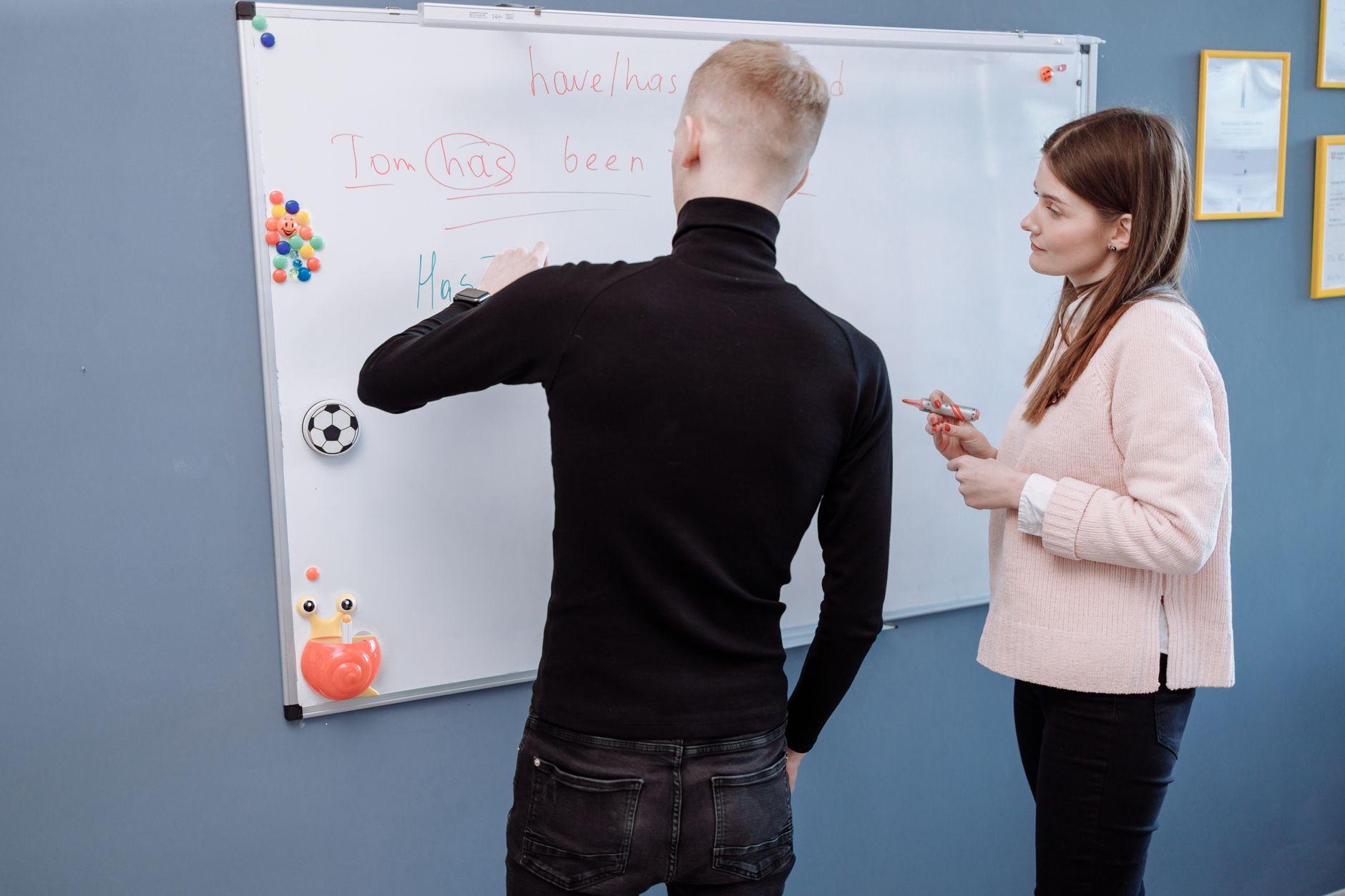
Proficiency on paper doesn’t always translate into seminar confidence. Across Australian universities, embedded academic language support is now a baseline expectation, yet the delivery model varies.
The University of Melbourne’s Academic Skills Hub offers individual writing consultations, workshops on critical analysis, and a popular English for Academic Purposes (EAP) short course that can be taken alongside regular studies. Notably, the faculty of Arts embeds language development modules into first-year subjects, reducing the stigma of seeking help. Language tutoring here is integrated rather than bolted on.
At the University of Sydney, the Learning Hub (formerly the Learning Centre) similarly provides free workshops and one-to-one consultations. Where it excels is in discipline-specific communication support—nursing students can practise clinical handovers, while business students drill presentation skills. The Campus Connect peer mentoring scheme pairs newcomers with senior students who share first-language backgrounds, which can accelerate language acquisition informally.
UNSW’s Academic Skills Team delivers online and on-campus workshops covering academic writing, referencing, and presentation fluency. The standout is the Communications and Academic Literacy (CAL) courses available through the Institute of Languages, which carry academic credit and can be embedded in degree plans. For students who need structured, long-term language tutoring rather than ad-hoc assistance, this credit-bearing pathway provides a tangible incentive to keep showing up.
Across all three, language support is free at point of use for enrolled international students, but UNSW’s credit option and Sydney’s discipline-specific tailoring give them a slight edge depending on your personal learning style.
Cultural adaptation activities can make the difference between lonely weekends in a shared apartment and a genuine sense of home. All three universities run large-scale orientation weeks with international-only streams, but ongoing programming is the real differentiator.
University of Melbourne invests heavily in its Melbourne Global Leaders program and Culture Connect events, which include everything from bushwalking and Indigenous cultural immersion to cooking classes. The university’s dense network of 200+ clubs (many with strong international contingents) helps, but formal cultural adaptation activities are front-loaded into the first six weeks. After that, students need to self-navigate.
University of Sydney adopts a whole-year calendar through its Welcome Fest, International Festival, and Semester Connect series. The Mates Abroad peer-to-peer cultural buddy system matches incoming students with trained local volunteers, running weekly social events for an entire semester. This extended scaffolding combats the mid-semester slump that often follows the honeymoon period. In 2026, Sydney also piloted a Cultural Intelligence (CQ) micro-credential that students can add to their LinkedIn profile—a clever fusion of cultural adaptation activities with employability.
UNSW anchors its cultural adaptation strategy in the International Student Welcome and Engagement program and the Cultural Mentor initiative, which pairs new arrivals with trained mentors from diverse backgrounds. The university’s campus location in Sydney’s eastern suburbs means easy access to beaches and coastal walks, and ISE leverages this heavily with outdoor social events. The Global Citizens Program further offers subsidised trips to regional NSW, deepening cross-cultural understanding beyond the campus. UNSW’s relatively compact campus fosters spontaneous interaction, an often-underrated factor in cultural adaptation.
Student visa conditions are complex, and poor guidance can lead to breaches with serious consequences. Each university provides general visa information, but the depth of personalised support varies.
University of Melbourne directs visa questions through Stop 1 and maintains a team of specialist international compliance advisers. While they do not employ in-house migration agents, they provide detailed online resources, regular webinars on 500 visa conditions, and clear pathways to vetted external professionals. The absence of on-campus registered migration advice means students must take an extra step for complex cases involving work rights or post-study visa transitions.
University of Sydney has a dedicated Visa and Immigration Advice team that includes staff trained to offer general guidance on visa requirements, enrolment-compliant course loads, and OSHC. For matters requiring immigration advice, Sydney clearly signposts its panel of external providers. Where Sydney leads is in proactive compliance monitoring: automated alerts flag when a student’s enrolment might dip below requirements, triggering early intervention and reducing unintentional breaches.
UNSW provides visa guidance through ISE and the Nucleus Hub, emphasising self-help via the International Student Visa Portal. The portal curates scenario-based information on work limitations, student dependent visas, and transition to the 485 Graduate visa. In 2026, UNSW launched a quarterly Visa Health Check webinar, where students can ask clarifying questions anonymously. While none of these universities boasts in-house migration agents, Sydney’s compliance-alert system and UNSW’s practical webinars translate into fewer sleepless nights over visa conditions.
Career services matter enormously for international students navigating unfamiliar job markets. Here, the differences are sharpest.
The University of Melbourne’s Careers and Employability Studio provides one-on-one career consultations, resume reviews, and a dedicated international student career development stream. The Melbourne Global Graduates program specifically addresses challenges like PAR (Permanent Australian Residency) pathways, employer perceptions, and cross-cultural interviewing. The university also runs an exclusive internship program for international students with local employers, tackling the “no local experience” barrier head-on.
University of Sydney positions its Careers and Employability Office as a lifelong service even after graduation. The International Student Career Program includes virtual internships, industry panels with alumni who were once international students, and a partnership with a major job platform to surface visa-friendly roles. In 2026, Sydney introduced a Employment Reality Check tool that maps your degree to historical graduate outcomes, helping set realistic expectations before you hit the job market.
UNSW operates Australia’s largest student-led career fair and couples it with a robust Careers and Employment hub. Its International Student Career Success Program offers eight-week structured modules covering LinkedIn branding, Australian workplace culture, and strategic networking. UNSW’s stand-out asset is Founders, its on-campus entrepreneurship program, which supports international students launching start-ups—valid for those considering a business visa pathway. For students intent on staying in Australia post-graduation, all three universities now offer detailed guidance on 485 visa eligibility and skilled migration, but UNSW’s entrepreneurial angle adds a unique non-linear route to career success.
How do these services translate into measurable outcomes? Data from the 2025 International Student Barometer and institutional reports reveals clear patterns. The University of Sydney consistently scores highest on “overall international student satisfaction with support services,” partly driven by proactive compliance and the extended cultural buddy system. Melbourne’s Stop 1 model earns strong marks for speed but slightly lower for empathy. UNSW’s ISE repeatedly receives praise for cultural integration events, and its career program boasts a 92% participant satisfaction rate.
More tellingly, retention data shows that targeted language tutoring and cultural adaptation activities correlate with a 12–15% improvement in first-year completion rates compared to students who do not engage. A 2026 analysis of graduate outcomes found that international students who actively used career guidance services secured their first local role, on average, 2.3 months faster than non-users. These figures underscore that international student office support, language tutoring, cultural adaptation activities, and visa and career guidance are not soft extras—they are performance multipliers. When you choose a university, you are essentially choosing the quality of that multiplier.
Do all Australian universities provide free language tutoring for international students? Most leading universities, including Melbourne, Sydney, and UNSW, offer free academic language and literacy support, including workshops and one-to-one consultations. Some also provide credit-bearing courses or discipline-specific communication coaching. Check specific provisions for your faculty to understand the full scope of language tutoring available.
Which of these three universities has the best cultural adaptation activities? There is no single “best.” The University of Sydney’s full-year cultural buddy program and micro-credential appeal to students who prefer structured, long-term support. UNSW leverages its compact campus and coastal location for frequent informal events, while Melbourne offers intense early-semester programming and a huge club network. The right fit depends on whether you thrive under extended scaffolding or prefer organic social opportunities.
Can I get visa advice about post-study work rights directly from the university? Yes, but with limitations. All three institutions provide general information about 500 visa conditions, 485 Graduate visa requirements, and OSHC. None employ in-house migration agents, so for complex personal immigration advice, they refer students to registered external professionals. However, Sydney’s proactive compliance monitoring and UNSW’s visa health check webinars offer an extra layer of practical visa guidance.
How do career services help international students overcome the “no local experience” hurdle? Career guidance teams at Melbourne, Sydney, and UNSW offer exclusive internship programs, volunteer placements, virtual work experience projects, and networking events specifically designed for international students. Melbourne’s dedicated international student internship scheme and UNSW’s entrepreneurship support illustrate how targeted career guidance can directly compensate for a lack of local professional history.
Before accepting an offer, go beyond the rankings. Map your own support needs—whether that is structured language tutoring, robust cultural adaptation activities, dependable visa guidance, or aggressive career guidance—against what each campus actually delivers. Dive into the international student handbook, attend a virtual open day, and ask current students about their experiences with the international student office. The university that scores a little lower on a global league table but invests visibly in non-academic support is the one far more likely to carry you through to graduation and beyond.